Fentanyl Decontamination
Rooms, vehicles and exposed surfaces receive decontamination following fentanyl exposure.
See fentanyl decontaminationGet meth residue testing, decontamination, material removal and clearance steps for a home, rental, business or vehicle in Concordia. Keep people out of affected areas until the property has been assessed.
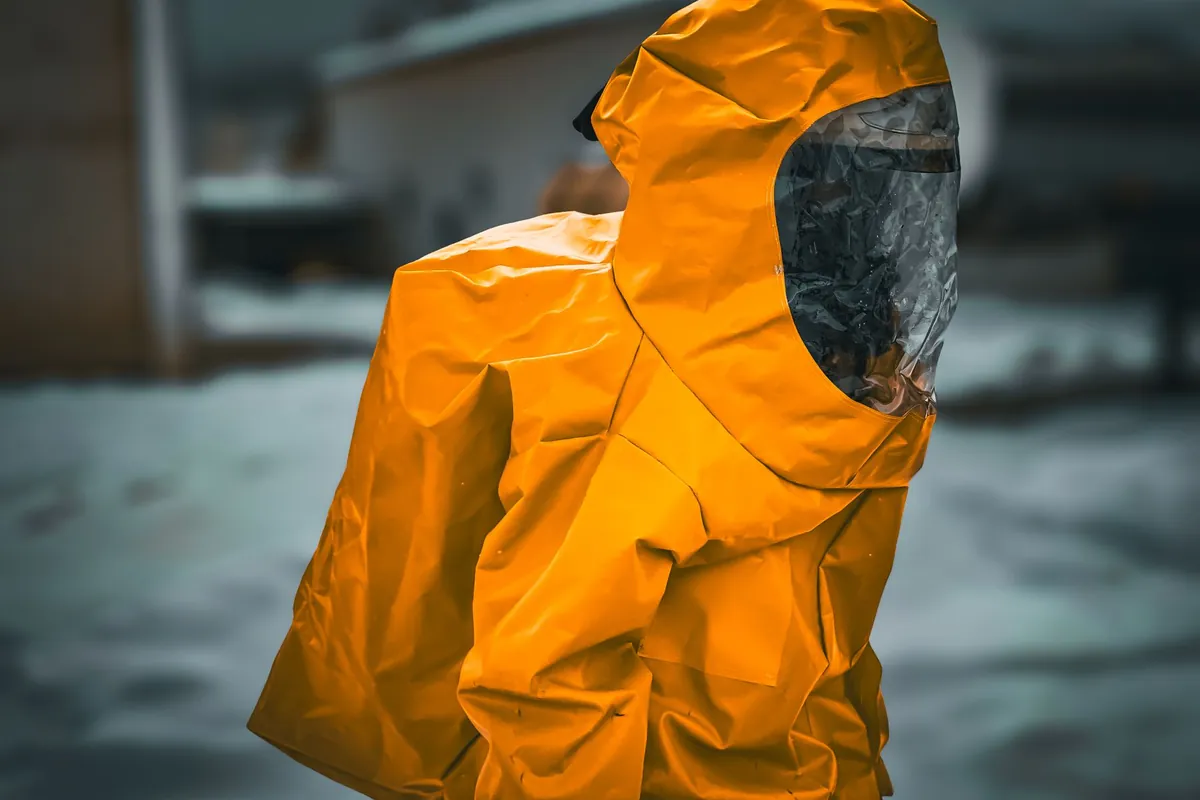
Meth lab cleanup involves testing a contaminated home, vehicle, rental or business, taking out affected materials and cleaning residue from methamphetamine or chemicals used to produce drugs.
A clean appearance does not rule out contamination. Smoke produced by meth use can leave residue on floors, personal property, cabinets, walls, appliances and ceilings. Acids, fuels, unknown chemical mixtures, salts and solvents can be found at a production location. A careful assessment of these hazards must happen before ordinary cleaning starts or anyone shifts a container.
Local property rules and test results set the course for the biohazard remediation work. With protective equipment in place, cleanup technicians separate contaminated areas from clean ones. They take out materials that resist cleaning and wash what remains. When necessary, they also address the air system. Afterward, samples establish whether each tested area reaches the relevant clearance level.
You learn which belongings may be cleaned or discarded after their material and condition are assessed.
Before remediation, you should receive a written plan covering clearance steps, cleaning methods, affected areas, removal decisions and the basis for testing.
The cleaning service should maintain an orderly record of photos, job scope, waste disposal and testing, helping you move forward following clearance.
Work zones and clean paths limit the movement of dust, tools and contaminated materials through the rest of your property.
Testing or a trustworthy property history may indicate contamination caused by meth production or use. In that case, the property needs meth decontamination cleaning services. Its history and test findings guide each situation. Examples include:
Law enforcement has cleared a former production site, but residue, chemicals or discolored materials could remain throughout multiple rooms.
Repeated smoking deposited unseen contamination across ceilings, floors, walls, cabinetry and belongings.
Suspected meth use requires a controlled evaluation of the room or unit, including surrounding areas when supported by the evidence.
Vehicle residue may affect the seats, carpeting, vent surfaces and trim in a truck, car or recreational vehicle.
Your first job is to prevent exposure and keep residue from moving. Take these steps before professional cleanup begins:
Call (888) 440-9227Published figures from PushLeads set the typical cleanup average at $15,000 to $20,000. Its broader meth lab cleanup range begins at $5,000 and reaches $120,000 depending on the scope. Repeated smoking confined to one space is unlike chemical production affecting a whole property. Material removal, testing, local clearance requirements and work on the air system also affect the final scope.
Published national cost guides are the source for these ranges, rather than an inspection of your property. You learn what your property will cost after the on-site assessment and before any work begins.
Ask about cost: (888) 440-9227Coverage for meth contamination depends on both the cause and insurance policy, which may exclude pollution, vacancy, criminal acts or contamination. Report what was found and ask about available insurance assistance. Before approving work that is not an emergency, request the coverage decision in written form.
Keep the police release, laboratory results, photographs, the remediation scope, disposal records, invoices and clearance report together.
Law enforcement may secure evidence and then release the scene, while owners generally arrange the later environmental testing and remediation.
Explain to the insurance company how you found the contamination. Check whether your policy covers sampling, cleanup, construction material removal and loss of use.
Property owners often arrange assessment and cleanup for a rental. Any attempt to recover costs from a tenant is separate from making the property safe.
The meth lab cleaning process follows a measured sequence. Every step should match the property assessment, the testing plan and the clearance rules that apply where the property is located.
Ask cleanup technicians, before they start, to describe how they assess the property's past, formal police release, hazards you can see, the room arrangement, ventilation and potential paths of contamination.
Surface samples help identify affected areas and establish a baseline. Sampling locations and methods should follow the applicable local protocol.
A documented scope lists containment needs, materials marked for removal, surfaces requiring cleaning, plans for belongings and final clearance procedures.
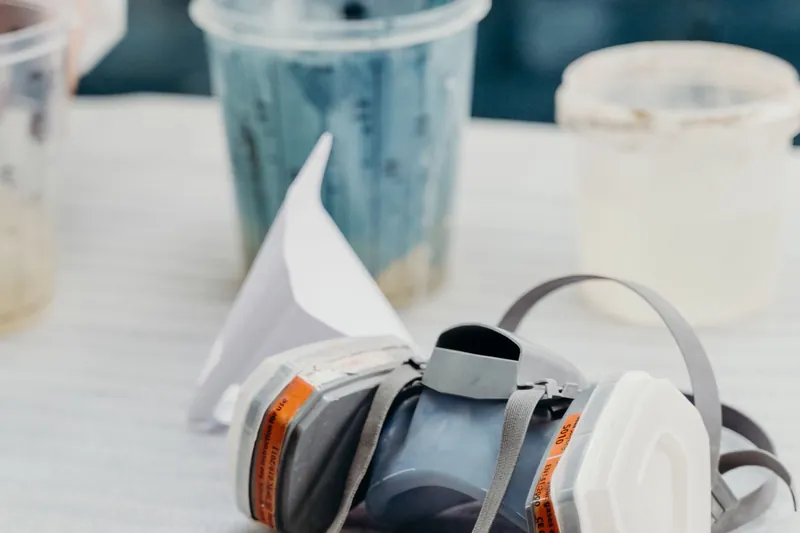
The work area is separated from clean rooms. Cleanup technicians wear protective gear selected for the site's chemical dangers, contaminated dust and residue.
When required cleaning levels cannot be reached, carpeting, padding, insulation, soft furniture or damaged construction materials may need removal and waste disposal preparation.
The surfaces left in place, including fixtures, cabinets, flooring, walls and ceilings, receive appropriate cleaning in a planned order.
Separate assessments cover portable possessions and building ventilation. Depending on test evidence and physical state, contents may be decontaminated, set apart or thrown away.
Once cleanup ends and sampling can begin, clearance results show if more remediation is required before anyone occupies the space.
Call at any time. A specialist in meth lab cleanup takes your call, explains each step and agrees on a start time with you.
Even if you notice no strong odor, contaminated dust, chemicals remaining after production and direct contact with skin can make a former meth property a serious health risk.
Pre-test demolition of drywall or carpet can spread dusty residue onto work tools, garments and uncontaminated parts of the building.
Powders, fluids and containers without labels may pose flammability, reactivity or corrosion hazards. Avoid opening or smelling them, and never combine or discard them in household waste.
Contamination may collect on flooring, counters, toys, walls and other items people touch often. You cannot determine clearance compliance from a surface's appearance alone.
Can you clean it yourself? Do not treat suspected meth contamination as a small household spill. You cannot use domestic cleaners to measure residue movement or verify that a surface passes the local clearance standard. Testing and a meth-specific remediation plan are the safer starting points.
Materials are kept only when the remediation plan allows them to be cleaned and the finished area can pass the required clearance process.
Clearance standards and rules vary across state and local jurisdictions. Contact your building, environmental or health agency to identify the requirement governing cleanup before work starts.
Local procedures may govern test plans, lab techniques and clearance documentation. Keep records because owners, buyers, tenants or officials may request them.
Do not automatically place unknown chemicals or contaminated debris in household trash. The materials discovered and local requirements determine waste categories and disposal methods.
Sharps and other potentially infectious items discovered alongside drug materials require separate treatment. Wisconsin calls it infectious waste, and items saturated with human blood or body fluids are treated as infectious. The Department of Natural Resources rules control storage, transport and treatment, so it cannot go in household trash.
Meth lab cleanup usually spans several workdays in a limited space but may extend across several weeks at a large production site. More than room count, the timeline depends on laboratory turnaround, removal of material, repeated cleaning and sampling for clearance.
The full meth lab cleanup guide covers what is cleaned or removed, odor and air quality work, and the rules that apply in Wisconsin and Milwaukee County.
Read the full meth lab cleanup guideLocal housing, population and access details can shape containment, access and cleanup planning.
Ascension Se Wisconsin Hospital is about 2.1 miles from Concordia, which is useful to know when an exposure or injury needs medical attention.
The location sits near SOHI, Near West Side, and Cold Spring Park, making local landmarks helpful when a property entrance is hard to find.
Neighborhood level directions help narrow the location, but crews still need entrance details before bringing containment and cleaning equipment inside.
Ask on the call about cleanup options for neighboring communities and ZIP codes.
Rooms, vehicles and exposed surfaces receive decontamination following fentanyl exposure.
See fentanyl decontamination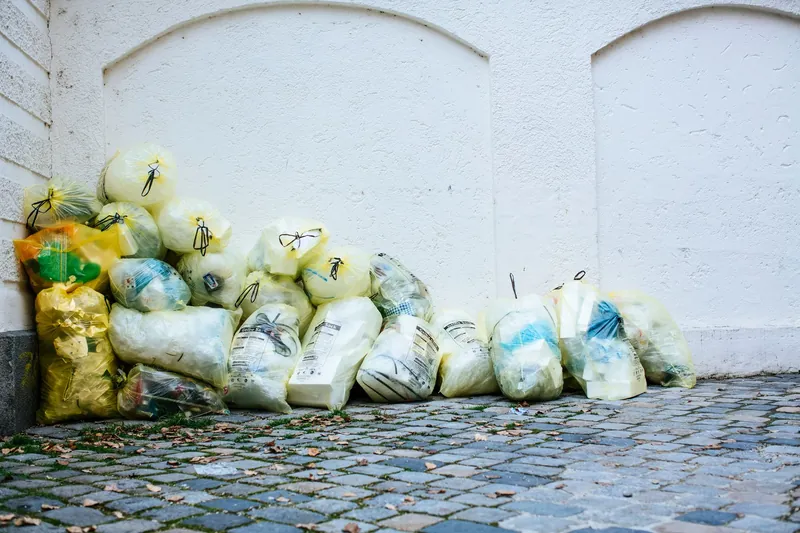
Cleanup removes drug residue, pipes and discarded needles from rentals and other properties.
See drug paraphernalia cleanup
Grow house cleanup of mold, chemicals and damage left by indoor growing.
See marijuana grow house cleanup
Hazmat cleanup of hazardous materials with the right protective equipment.
See hazmat cleanup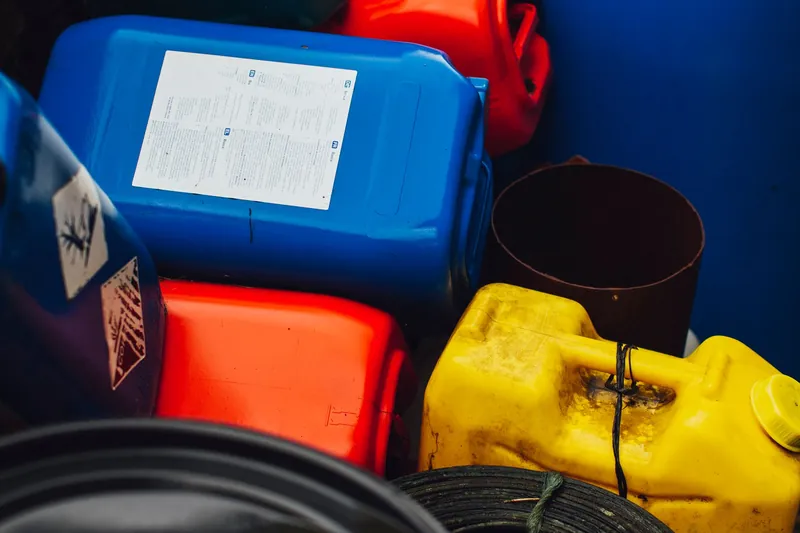
Waste cleanup removes toxic and chemical material for safe disposal.
See chemical and toxic waste cleanup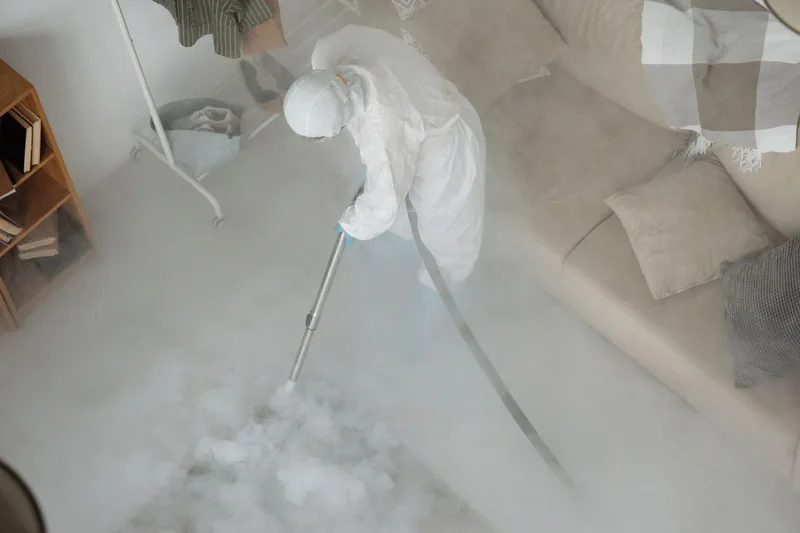
Full decontamination of rooms, surfaces and air after infectious or hazardous exposure.
See biohazard decontamination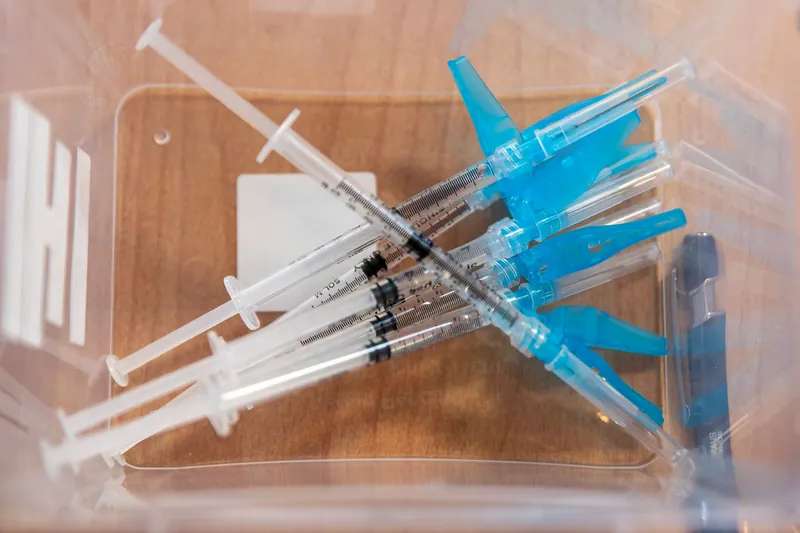
Needle and sharps cleanup for yards, rentals, parks and encampments.
See needle and sharps cleanup
Rental property biohazard cleanup covers hotels and Airbnb units as well as rentals.
See hotel, airbnb and rental biohazard cleanupFor a meth lab property contaminated by methamphetamine deposits or drug-making chemicals, the remediation process uses controlled cleanup methods. Under property rules, cleanup involves containment, assessment, removal when materials cannot be cleaned, surface testing, decontamination of what remains and clearance sampling after remediation.
Never treat sight and odor alone as proof that the space can be used. The governing local rule and written advice of the appropriate environmental or public agency should determine when reoccupation occurs. Final samples objectively indicate if the property requires another cleaning cycle.
PushLeads publishes $5,000 to $120,000 as the broad range and reports a typical average of $15,000 to $20,000. Factors affecting price include property dimensions, whether use or manufacturing occurred, HVAC residue, tests, removal needs and how many cleanup or clearance cycles are necessary.
Coverage depends on policy language, the contamination's origin and any vacancy, criminal-act, pollution or contamination exclusion. Report the discovery to the insurance company, explain how you found it and ask if temporary housing, testing, removed materials, remediation and clearance sampling have coverage.
Consider sampling if law enforcement finds an old lab, trustworthy property documents record drug manufacturing or sound evidence suggests recurring meth use. Odd containers, chemical discoloration and powerful smells can signal danger, although neither odor nor visual inspection proves a property has cleared.
Manufacturing substances occasionally leave strong solvent odors, yet smell cannot independently verify meth residue or show that the property cleared. Contamination can remain indoors without producing an odor you notice. Avoid containers and leave the area when chemical smells are intense, then follow surface test results and the governing standard.
Crews carry out respectful, discreet meth lab cleanup, arrive in unmarked vehicles and take calls 24 hours a day.